




No products in the basket.
Keep Pets Safe in Hot Weather: Simple Summer Checks That Can Save Lives
Hot Weather Dog Safety: How to Keep Pets Cool in Summer
Hot weather dog safety matters because warm days can become dangerous for pets much faster than many owners realise. Dogs can overheat on short walks, burn their paws on hot pavements, or become seriously ill in cars, conservatories, sheds and other enclosed spaces. At Nika Pet Food, we believe trustworthy pet care starts with practical, calm advice that helps families act before an emergency happens.
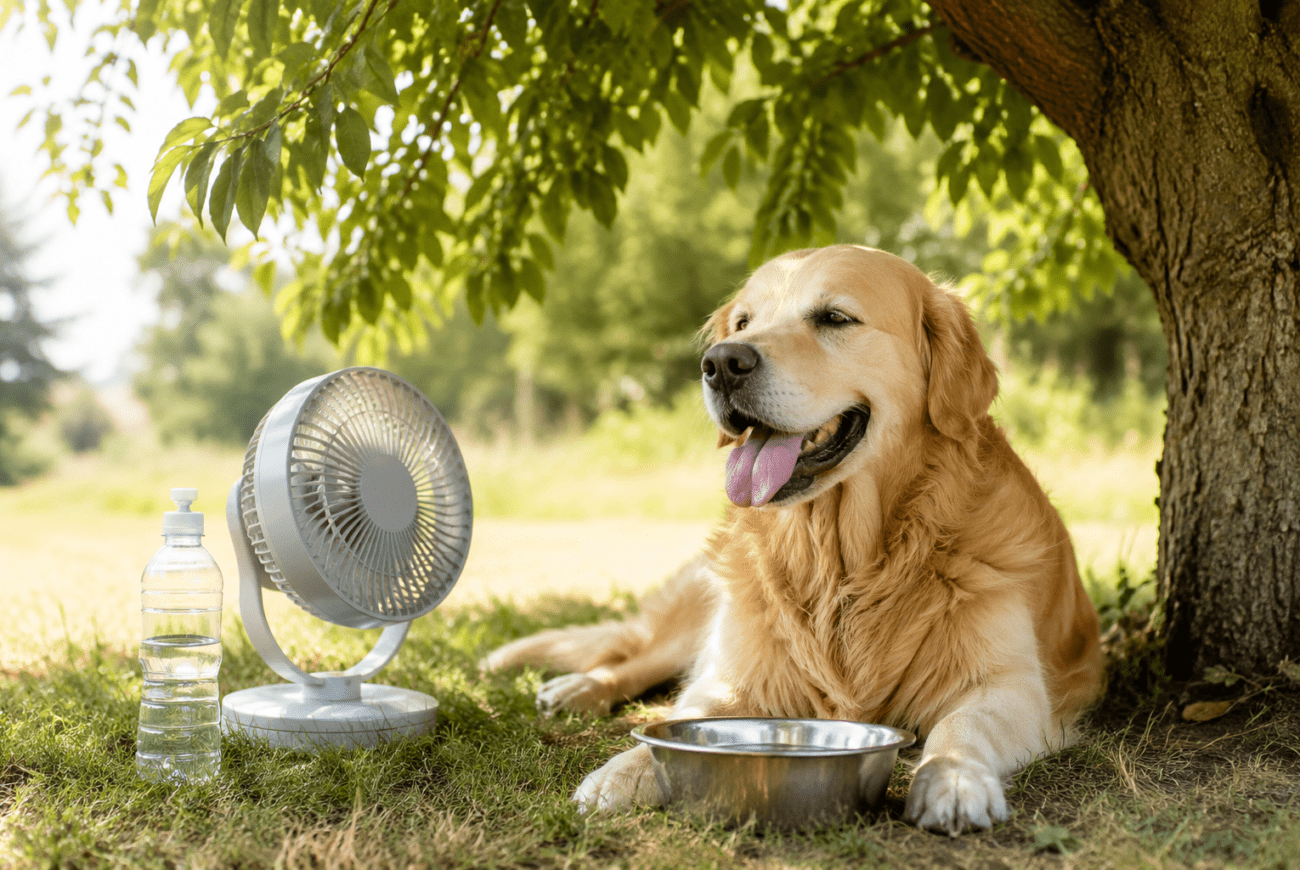
Warm weather can be lovely for us, but dogs, rabbits, small pets and wildlife need extra care when temperatures rise. The most important summer rule is simple: if the heat feels uncomfortable for you, it may already be risky for your pet. Fresh water, shade, good ventilation and sensible walk times can make a life-saving difference.
Hot weather dog safety: choose cooler walk times
During hot spells, dogs are safest when exercised in the early morning or late evening, once temperatures have dropped. The British Veterinary Association advises owners not to exercise dogs during the hottest part of the day, especially if the dog is older, overweight, flat-faced, densely coated, or has heart or lung problems.
If the day is particularly hot, it is better to miss a walk than to risk heatstroke. Gentle enrichment at home, such as sniffing games, calm training or a food puzzle, can be a safer alternative. You can also keep your dog comfortable after a cool walk with a quiet resting space and appropriate food from the Nika Pet Food shop.
Dog safety in hot weather: use the five-second tarmac test
Hot pavements and roads can burn a dog’s paw pads before the dog appears visibly distressed. Before walking, place the palm of your hand flat on the tarmac for five seconds. If it feels too hot for your hand, it is too hot for your dog’s paws.
This simple test is one of the easiest hot-weather dog safety habits to build into your summer routine. If the pavement fails the test, choose grass, wait until later, or skip the walk altogether.
Hot weather risk | Why it matters | Safer choice |
Midday dog walks | Exercise during the hottest part of the day can increase the risk of overheating and heatstroke. | Walk at dawn or later in the evening, or skip the walk if it is too hot. |
Hot pavements and roads | Tarmac can burn paw pads before a dog appears visibly distressed. | Use the five-second tarmac test before walking. |
Cars and enclosed spaces | Parked cars, caravans, conservatories, sheds and greenhouses can heat rapidly. | Never leave pets in these spaces, even briefly. |
Outdoor hutches | Rabbits and small pets can struggle when hutches are in direct sunlight or have poor ventilation. | Move enclosures into shade and check ventilation frequently. |
Lack of water | Dehydration and heat stress can develop quickly in warm weather. | Provide fresh, clean drinking water at all times. |
Hot weather dog safety in cars and enclosed spaces
This message should never be softened: do not leave dogs in vehicles or enclosed spaces during warm weather. The GSPCA notes that even when it is only 20°C outside, a car can reach over 40°C within minutes. The same principle applies to caravans, conservatories, sheds, outbuildings and greenhouses, which can trap heat and become unsafe quickly.
If you see a dog in distress inside a hot car, follow local emergency guidance. In the UK, the BVA advises calling 999 if a dog is distressed in a hot vehicle.
Dog heat safety: know the signs of heatstroke
Heatstroke is an emergency. The BVA lists early warning signs in dogs as heavy panting, drooling, restlessness, bright red or very pale gums, and lack of coordination.
If you suspect heatstroke, move your dog to a cool, well-ventilated place, offer small sips of cold water if possible, pour cold water over the body to help lower the temperature, and contact your vet immediately. Cooling should not replace veterinary advice; it is a first response while you seek urgent help.
Dr Rob Williams MRCVS, President of the British Veterinary Association, said: “It helps to recognise early signs of heatstroke as quick action could save your pet’s life. In dogs, signs of heatstroke include heavy panting, drooling, restlessness, bright red or very pale gums, and lack of coordination. If you suspect heatstroke, take your dog to a cool, well-ventilated place, give it small amounts of cold water to drink if possible, and pour cold water over the body to cool it down, before contacting your vet.”
Hot weather dog safety also means checking rabbits, small pets and wildlife
Although this article focuses on hot weather dog safety, summer care should include other animals, too. Rabbits, guinea pigs and other small pets need shade, ventilation and regular checks, especially if they live outdoors. Hutches should never be left in direct sun, and sheds or greenhouses should be treated with caution because they can heat up quickly.
Wildlife can also struggle during dry weather. A shallow dish of water can help birds, hedgehogs and other animals, but it should be safe and easy to escape from. The GSPCA also suggests providing wet food for hedgehogs during dry spells to support hydration and nutrition.
Animal | Practical hot weather check |
Dogs | Walk only during cooler parts of the day, test pavements, provide water and shade, and monitor for signs of heatstroke. |
Rabbits and guinea pigs | Keep hutches shaded and ventilated, check them often, and make sure water bottles or bowls do not run dry. |
Cats | Provide cool resting areas, shade and fresh water; pay extra attention to pale ears and noses in sunny weather. |
Wildlife | Leave shallow water dishes outside and make sure small animals can climb out safely. |
Summer dog safety routine for warm days
Good summer care does not need to be complicated. On warm days, check water bowls in the morning and evening, move resting areas away from direct sunlight, test pavements before walks, and think carefully before travelling with pets. If your dog is older, flat-faced, overweight, heavily coated or unwell, be even more cautious.
The best hot-weather dog safety routine is built on small decisions made early: walking at safer times, keeping animals cool and hydrated, avoiding enclosed, hot spaces, and acting quickly if something does not feel right.
If you are ever worried that your pet may be overheating, contact your vet immediately. Fast action can save a life.
References
Newsletter
Like our articles? Wanna more? Please subscribe newsletter
