





No products in the basket.
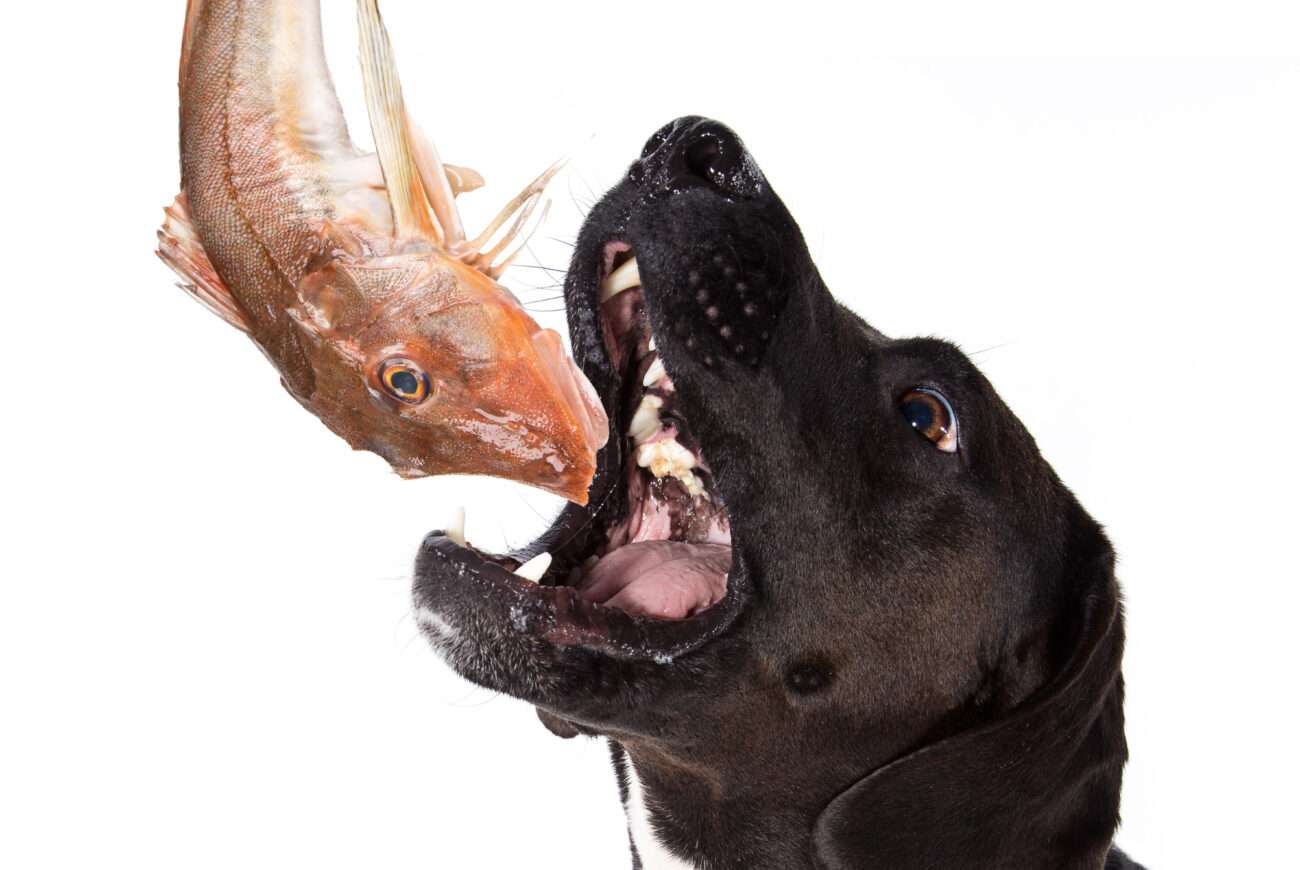
The Real Benefits of Fish Oil for Dogs: Why Omega-3 Actually Matters
Dog nutrition guide
Quick answer: is fish oil good for dogs?
Fish oil can be useful for dogs because it provides marine omega-3 fatty acids, especially EPA and DHA. Veterinary nutrition sources commonly discuss these fatty acids in relation to skin, coat, joint and inflammatory support.
That does not mean fish oil is magic. It is not there to rescue a poor overall diet, fix chronic overfeeding, or turn a random supplement bottle into a personality trait. The useful part is the specific omega-3 content, the dose, the dog in front of you and the rest of the diet.
At Nika Pet Food, we prefer a food-first approach where possible. That is why our fish topper is made from real mackerel, not vague “fish flavour” or a mysterious oil poured over food because someone in marketing found the word “omega” exciting.
EPA and DHAmarine omega-3 fatty acids
Food-firstreal mackerel, not vague claims
Use sensiblycontext and dose matter
What does fish oil actually provide?
When people talk about fish oil for dogs, they usually mean omega-3 support. More specifically, they mean the marine omega-3 fatty acids EPA and DHA. Veterinary nutrition sources most often focus on these forms when discussing fish oil for dogs.
EPA and DHA are not the same as sprinkling a fashionable word onto a label and hoping everyone claps. Oily fish naturally provides these specific fatty acids, which is why it tends to be more relevant here than vague “fish ingredients”.
Useful context:
VCA Animal Hospitals describes fish oil as rich in EPA and DHA and discusses its use in dogs and cats, particularly where inflammatory processes are part of the picture.[1]
Potential benefits of omega-3 for dogs
The benefits of fish oil for dogs usually come from EPA and DHA. They may support several areas of health, but owners still need to use them sensibly.
Skin and coat support
Omega-3 fatty acids are commonly discussed in relation to skin health and coat quality. They may be useful when dryness, irritation or inflammatory skin issues are part of the wider picture.
Joint support
Veterinary nutrition sources often discuss EPA and DHA in relation to inflammatory stress and joint comfort, particularly in older dogs or dogs whose joints need extra support.
Cognitive and developmental support
DHA is especially relevant to brain and nervous system development. This is one reason omega-3 gets discussed in relation to puppies and long-term health.
Meal appeal
Fish can make food more interesting to dogs. That matters when a dog is fussy, bored or suspicious of yet another bowl of beige pellets. Dogs have opinions. Inconvenient, but here we are.
Fish oil is useful, but it is not a miracle
Do not treat fish oil as a cure-all. It cannot make an unsuitable diet suitable, undo poor portion control or replace veterinary care when a dog has a real medical problem.
Owners should not add it randomly on top of everything else. More is not automatically better. With fats and supplements, “more” can quickly become “congratulations, you have created a new problem”. Humanity keeps learning this and then forgetting it by lunchtime.
Before adding supplements:
Tufts Petfoodology advises caution with fish oil supplementation and explains that dose, product choice and the individual pet matter. If your dog has medical conditions or takes medication, ask your vet before adding fish oil supplements.[2]
When should you be careful with fish oil?
Fish oil may be useful, but some dogs need extra caution. This is especially true when there are medical conditions, medication, digestive problems or uncertainty about the current diet.
Fish-based omega-3 may suit your dog if:
- your dog tolerates fish well;
- you want to add variety to the bowl;
- your dog benefits from a more tempting meal;
- you are using it as part of a sensible overall diet;
- you monitor appetite, stools, skin and comfort.
Ask for advice first if:
- your dog has pancreatitis or fat-sensitive digestion;
- your dog has a blood clotting disorder;
- your dog is on medication;
- your dog has repeated vomiting or diarrhoea;
- your dog is on a veterinary diet;
- you are already using supplements.
Why real oily fish makes sense
Not all fish ingredients are equal. “Contains fish oil” or “with fish” can sound impressive while telling you very little about the actual source, quality or amount. This is where labels often become conveniently blurry, because apparently clarity remains illegal in some corners of pet food marketing.
Oily fish makes sense because it naturally provides marine omega-3 fatty acids. It also brings flavour, texture and real food value. Dogs do not eat nutrients in theory. They eat actual meals, usually while staring at us as if we personally invented waiting.
Real fish also improves palatability
That is why real fish can be a practical way to add interest and nutritional value to the bowl, especially for dogs who enjoy fish and tolerate it well.
Food-first omega-3 support
For many owners, the practical question is not only whether fish oil can help, but how to add fish-based nutrition without turning feeding into a supplement spreadsheet. This is where real oily fish can be useful.
Nika Fish Topper: real mackerel, prepared as food
Our Fish Topper is made from real mackerel. We use mackerel because it is an oily fish naturally associated with the omega-3 fats people often try to add through supplements.
This is not bottled oil poured over food for effect. It is real fish, cooked and prepared as food, giving dogs aroma, texture and palatability as well as the nutritional value of oily fish.
Fish Topper can be useful when you want to make meals more appealing, add variety or bring fish into the diet in a straightforward way. It is still a topper, not a medical treatment, because we are running a dog food business, not selling fairy dust in a tub.
Fish oil, allergies and skin problems
Omega-3 is often discussed in relation to skin and inflammatory support, but itchy skin is not always a simple nutrition problem. Fleas, environmental allergies, infection, contact irritation, grooming products and underlying illness can all be involved. Lovely little puzzle, because apparently dogs were not already complicated enough.
If your dog has seasonal itching, irritated skin or recurring flare-ups, read our guide to seasonal allergies in dogs. Food can support health, but it should not be used to ignore symptoms that need veterinary attention.
Using fish as part of the whole diet
A useful ingredient still needs context. Fish, fish oil or fish topper should fit your dog’s whole diet, not sit on top of an already confused feeding routine.
If you are adding a new food or topper, monitor your dog’s appetite, stools, energy, skin, coat and comfort. Our guide on how to monitor your dog’s health on a new food explains what to watch during any diet change.
If you are interested in other natural additions, our article on herbs and seaweed in dog food explains why individual ingredients should be used with purpose rather than thrown into the bowl for decoration.
Not sure whether fish oil or fish suits your dog?
If your dog has a sensitive stomach, itchy skin, recurring digestive issues, weight problems or a diagnosed condition, do not guess your way through supplements like a side quest with poor lighting.
A dog nutrition consultation can help you look at the whole diet, treats, toppers, appetite, body condition and current symptoms before deciding what actually belongs in the bowl.
FAQs about fish oil for dogs
Is fish oil good for dogs?
Fish oil can be useful for some dogs because it provides EPA and DHA, marine omega-3 fatty acids commonly discussed in relation to skin, coat, joint and inflammatory support. Owners should still use it sensibly and consider the whole diet.
What are EPA and DHA?
EPA and DHA are marine omega-3 fatty acids found in fish oil and oily fish. Nutrition sources often discuss these forms when explaining fish oil benefits for dogs.
Can fish oil help my dog’s coat?
Omega-3 fatty acids may help support skin and coat health, but coat problems can have many causes. If your dog has itching, hair loss, soreness or recurring skin issues, ask your vet rather than relying on supplements alone.
Can fish oil help dogs with joint problems?
People often discuss EPA and DHA in relation to inflammatory support and joint comfort. However, dogs with pain, stiffness or mobility changes should be assessed properly, because nutrition is only one part of joint care.
Is real fish better than fish oil?
Real oily fish can be a practical food-first option because it brings flavour, texture and marine omega-3 fats. Fish oil supplements can also be useful in some cases, but dose and product choice matter. The best option depends on the individual dog.
Can I give my dog human fish oil?
Do not give human supplements without checking suitability, ingredients and dose. Some products may contain added ingredients or concentrations that are not appropriate for your dog.
Is Fish Topper a supplement?
No. Nika Fish Topper is food made from real mackerel. It can add variety, palatability and oily fish to the bowl, but it is not a medicine and should not be treated as a cure for health problems.
Newsletter
Like our articles? Wanna more? Please subscribe newsletter
