





No products in the basket.
Seasonal Allergies in Dogs: Can Fresh Food Help?
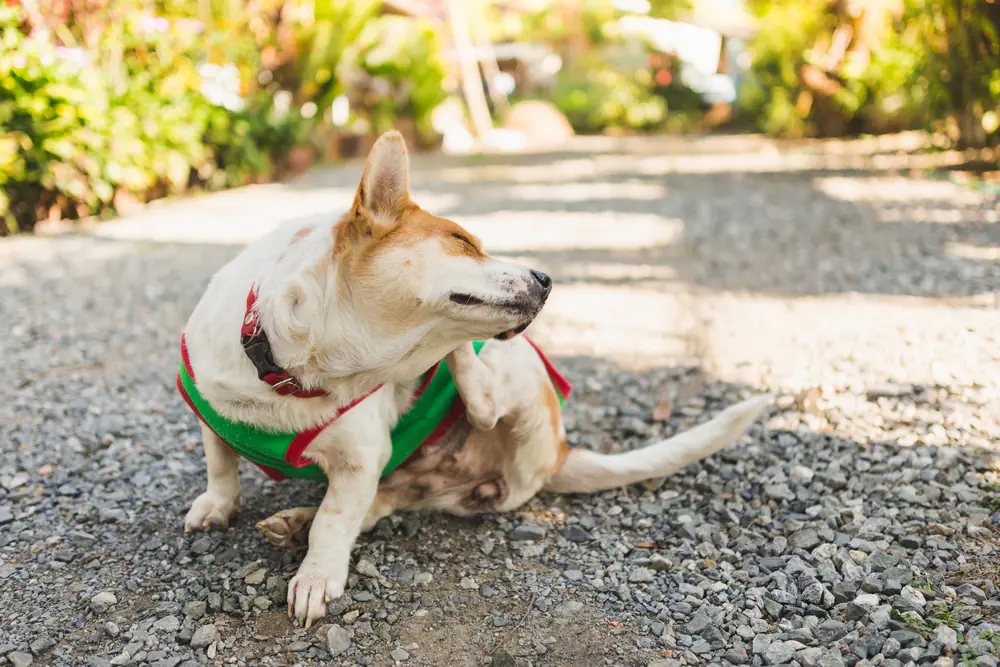
Seasonal allergies in dogs are a common problem in spring and summer. If your dog starts scratching more, licking their paws, rubbing their face or developing red, irritated skin as the weather gets warmer, environmental allergens could be to blame.
In the UK, spring brings longer walks, more time outdoors and plenty of pollen from trees, grasses and weeds. For sensitive dogs, that can mean a flare-up of itching and skin discomfort. While shampoos, wipes and veterinary treatment can all play a role, diet matters too. What your dog eats can influence skin condition, coat quality and overall resilience.
At Nika Pet Food, we believe good health starts with what goes into the bowl. Here is what to look for, and how fresh food may help support dogs with seasonal allergies.
What are seasonal allergies in dogs?
Seasonal allergies in dogs are usually linked to environmental triggers such as pollen, mould spores and grasses. Unlike humans, dogs do not usually respond with sneezing and watery eyes alone. More often, the symptoms appear on the skin.
Common signs include persistent scratching, paw chewing or licking, red or inflamed skin, recurrent ear irritation, and a dry or dull coat. Some dogs also rub their face on carpets or furniture, or seem restless because they cannot settle comfortably.
If the itching goes on for too long, the skin barrier can become damaged. That can then lead to secondary bacterial or yeast infections, worsening the cycle.
Not every itchy dog has seasonal allergies, of course. Fleas, food sensitivities, skin infections and contact irritants can all look similar, because dogs do enjoy turning diagnosis into a small detective novel.
Why diet matters for itchy dogs
A dog’s skin is not separate from the rest of the body. Skin health is influenced by digestion, nutrient intake, immune function and inflammation. If the diet is poor, heavily processed or lacking key nutrients, the skin barrier may be less able to cope with environmental stress.
This is one reason fresh food can make a real difference. A well-balanced, fresh diet provides dogs with high-quality protein, natural nutrients, and moisture, without the long ingredient lists, fillers, and artificial additives found in many ultra-processed foods.
That does not mean food alone will “cure” allergies. It will not. But it can better support the body, which often matters a great deal for dogs who struggle every spring.
How fresh food may help dogs with seasonal allergies
- Supporting skin health
Healthy skin acts as a protective barrier. When the skin is dry, inflamed or compromised, allergens can irritate it more easily. Fresh food can help support skin conditions by providing high-quality ingredients and better overall nutrition.
- Providing natural sources of omega-3
Omega-3 fatty acids are well known for supporting skin and coat health. They may also help dogs who are prone to irritated, itchy skin. Fresh diets that include oily fish can be especially useful for this reason.
If your dog has sensitive skin, a fish-based recipe may be worth considering.
- Reducing unnecessary dietary burden
Many dogs do better when their food is simpler, cleaner and easier to digest. Diets packed with multiple fillers, flavourings and heavily processed ingredients may not be ideal for dogs who are already dealing with inflammation or skin flare-ups.
Fresh food keeps things straightforward. At Nika Pet Food, we use wholesome ingredients with no artificial additives, fillers, or preservatives.
- Helping overall resilience
Dogs with seasonal allergies often need support from several angles. Good food will not replace a vet, but it can help create a stronger foundation. Better nutrition can support coat quality, skin comfort and day-to-day well-being, which matters when your dog is dealing with ongoing irritation.
Simple ways to help your dog during allergy season
Diet is only part of the picture. If your dog struggles with spring or summer itching, these practical steps can help too.
Wipe your dog’s paws and belly after walks to remove pollen and other allergens.
Brush the coat regularly to lift away debris and help distribute natural oils.
Wash bedding frequently during high pollen periods.
Try walking later in the day if pollen counts seem to trigger symptoms.
Keep an eye on ears, paws and underarms, as these are common flare-up areas.
When to speak to your vet
If your dog has severe itching, broken skin, repeated ear problems or signs of infection, speak to your vet. Seasonal allergies can become very uncomfortable, and some dogs need medical treatment alongside dietary support.
It is also worth getting veterinary advice if symptoms appear suddenly or worsen quickly, because not all itching is caused by pollen.
Fresh food for dogs with seasonal allergies
If your dog seems itchier every spring, it may be time to look more closely at what is in their bowl. Fresh food may help support skin health, coat quality and overall comfort, especially as part of a wider plan to manage seasonal allergies.
At Nika Pet Food, we make freshly prepared dog food using locally sourced ingredients from trusted farmers and butchers. No fillers. No preservatives. Just real food, made properly.
Explore our range here: https://nikapetfood.com/shop/
Newsletter
Like our articles? Wanna more? Please subscribe newsletter
