




No products in the basket.
National Pet Month 2026: Five Welfare Needs Every Dog Owner Should Know
National Pet Month: Five Weeks, Five Welfare Needs
National Pet Month is one of those campaigns I actually have time for. Not because it gives us another excuse to post photos of dogs looking impossibly pleased with themselves, although that is obviously a fringe benefit, but because it puts the focus back where it belongs: on what animals genuinely need from us. The 2026 campaign runs from 1 April to 5 May and is coordinated by UK Pet Food and NOAH around five key welfare needs: companionship, behaviour, diet, health and environment.
That list sounds simple, and in a way, it is. But simple does not mean basic. Most of the problems I see in dogs do not come from owners being cruel. They come from owners who are distracted, misinformed, overly casual, or seduced by marketing that sounds clever but means very little. National Pet Month is a good moment to pause and ask a better question: is my dog merely loved, or is my dog actually well cared for? The two are not always the same thing, inconvenient as that may be.
1 to 7 April: Companionship
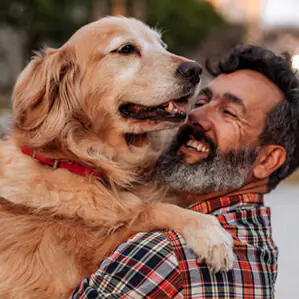
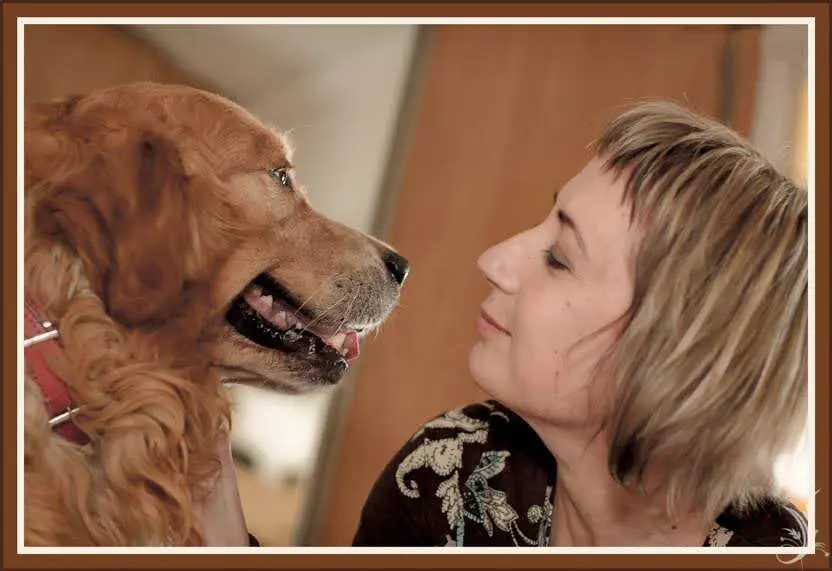
The bond between you and your dog is not a decorative extra. It is the foundation of everything else. Dogs are social animals. They do not just happen to live near us. They build relationships with us, rely on us, read us constantly and often organise a surprising amount of their emotional life around our presence, routines and responses. National Pet Month opens with a reason for companionship. It is not sentiment. It is welfare.
Real companionship is not just cuddles on the sofa and a nice photo for Facebook. It is time, predictability, attention and trust. It is noticing when your dog is quieter than usual. It is making room for shared routines. It is understanding that for many dogs, being near their person is not a luxury. It is part of feeling safe in the world. If your dog loves you, lovely. If your dog also feels secure with you, now we are getting somewhere.
8 to 14 April: Behaviour
Dogs are talking all the time. The problem is that humans tend to wait for shouting. A growl, a bark, a lunge, a snapped lead. By then, the dog had often been speaking politely for quite a while, and nobody bothered to listen. Blue Cross notes that signs of stress in dogs can be subtle, including yawning, lip-licking, pacing, pinning the ears back, and showing the whites of the eyes. Those signals matter. They are not quirks. They are information.
Behaviour is not just about training cues or whether your dog can sit nicely for a biscuit. It is about emotional state, coping ability, communication and what your dog is trying to tell you through their body language and everyday habits. A sudden change in behaviour can point to stress, fear, frustration, pain or illness. In other words, behaviour is not a separate department. It overlaps with health, environment and companionship, whether we like tidy categories or not.
15 to 21 April: Diet
This is our week at Nika, so naturally, I have opinions. A balanced, complete diet is not whatever comes in attractive packaging with the most persuasive claims on the front. It is food that meets your dog’s nutritional needs in the correct proportions for their age, lifestyle and health status. PDSA advises owners to look for food labelled “complete”, meaning it contains all the nutrients a dog needs in the right amounts. That matters far more than buzzwords.
Diet also deserves more honesty than it usually gets. Owners are faced with a blizzard of marketing, loyalty, fearmongering and tribal nonsense. Kibble versus fresh. Wet versus dry. Grain-free versus everything else. The real question is not which camp shouts loudest. The real question is whether the food is balanced, appropriate for the individual dog, well-tolerated and fed in the right amount. National Pet Month’s 2026 campaign describes this week as a focus on balanced feeding and on helping owners navigate the range of options available. Sensible at last.
Food also shapes daily life in ways owners often underestimate. Energy levels, stool quality, appetite, coat condition, body condition and digestive comfort all reflect diet to some degree. You do not need obsession. You need attention. If a dog is always itchy, sluggish, bloated, constantly starving or steadily gaining weight, that is not “just how he is”. Sometimes the bowl is telling you a story before the rest of the dog catches up.
22 to 28 April: Health
Health is not just what happens when something goes wrong. Routine work helps prevent trouble in the first place. National Pet Month’s health week highlights vaccinations, vet visits, routine and the relationships we build with veterinary teams. That is exactly right. Good care is usually not dramatic. It is boring in the best possible way. It is noticing changes early and not waiting until a small issue becomes an expensive saga.
Vaccinations are one clear example. The RSPCA notes that puppies need regular vaccinations from an early age because the protection they receive from their mother only lasts a few weeks, and adult pets also need ongoing protection as immunity can decline over time. Sensible preventive care is not overreacting. It is what responsible ownership looks like when nobody is trying to be the hero of their own Facebook comment section.
Health also includes the quieter things: dental care, weight management, parasite prevention, recovery time, rest, and a daily routine that does not keep your dog permanently overstimulated or mildly miserable. Dogs do better when life makes sense to them. Frankly, so do humans, but that lesson seems to be taking longer.
29 April to 5 May: Environment
The environment is often treated like the least interesting welfare need, which is odd because it surrounds all the others. Your dog’s environment is not just the home they sleep in. It is the level of noise, the predictability of routine, the opportunities for enrichment, the quality of walks, the safety of the garden, the pressure of social situations, the surfaces they move on, the places they rest, and whether everyday life feels manageable or chaotic. Blue Cross defines enrichment as providing dogs with activities and opportunities that allow them to express their natural behaviours, with real benefits for mental wellbeing and confidence.
This year’s National Pet Month also uses Environment Week to look at prevention over cure, responsible use of anti-parasitic medicines and the implications of the Renters’ Rights Act as it comes into force on 1 May 2026. That makes sense, because the environment is not just a fluffy lifestyle concept. It is also shaped by practical realities, including where people can live with their pets and how they manage risk in everyday life.
A good environment does not need to be fancy. Most dogs are not asking for a designer home and artisanal storage jars. They are asking for enough sleep, enough security, enough stimulation, enough movement and enough relief from things they find overwhelming. In many households, improving welfare starts with quieter, plainer, more thoughtful choices, not more stuff.
Why these five welfare needs matter together
What I like about this year’s structure is that it quietly exposes a truth many owners miss: these needs are not separate boxes. They are a system. A poor diet can affect behaviour. Poor health can damage companionship. A stressful environment can make training harder. A dog who feels unsafe cannot flourish, however loved they may be. Once you start looking properly, everything connects.
That is why welfare should never be reduced to one grand gesture. It is built through ordinary daily decisions. What goes in the bowl. How much sleep does a dog get. Whether subtle stress signals are respected. Whether the home supports calm or constantly chips away at it. Whether we are paying attention or just assuming affection is enough. It usually is not.
National Pet Month is a useful reminder that good dog care is not about doing one impressive thing. It is about getting the fundamentals right, consistently. Companionship, behaviour, diet, health and environment are not fashionable ideas for April. They are the framework for a good life. And dogs, being far more decent than most people, deserve that much at the very least.
If you want to start with the part we know best, explore our freshly cooked dog food and browse the Nika Pet Food blog for more practical advice on feeding dogs well.
Newsletter
Like our articles? Wanna more? Please subscribe newsletter
