




No products in the basket.
Fresh Dog Food vs Kibble: Which Is Better for Your Dog?
Freshly cooked vs dry food
Fresh dog food vs kibble: which is better for your dog?
Kibble is familiar, easy to store and quick to serve. Freshly cooked dog food takes a different approach, using recognisable ingredients, gentle cooking and meals that look and smell more like food.
At Nika Pet Food, we do not believe good feeding advice should frighten people away from kibble. The better approach is to understand the difference clearly, then choose what suits your dog, your routine and your budget.
As Monika often says, feeding advice should fit the dog in front of you, not just the label on the bag.
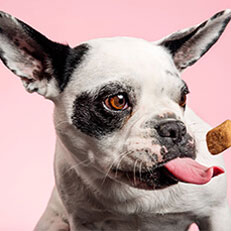
Video summary: the video shows a dog being offered dry kibble and freshly cooked dog food. The dog chooses the fresh meal. It also shows real ingredients and small-batch preparation before the food is packed.
More moisturefresh food is not dried into pellets
Recognisable ingredientsmeat, vegetables and selected ingredients
Different routinefresh meals need chilled or frozen storage
Fresh dog food vs kibble: the quick answer
Kibble can be convenient, long-lasting and affordable. Freshly cooked dog food usually offers a more recognisable, higher-moisture meal, and many dogs find it more appealing.
The better choice depends on your dog’s needs, your expectations, the quality of the food and how practical the routine is for your household.
Kibble and freshly cooked dog food compared
A table is useful until it starts looking like a council spreadsheet, so here is the comparison in a clearer format.
Kibble
Processing
Usually processed and dried for shelf stability.
Ingredients
Often less visually recognisable once processed.
Moisture
Low moisture because it is dry.
Convenience
Easy to scoop, store and measure.
Storage
Usually stored in a cupboard.
Cost
Often cheaper per serving.
Freshly cooked dog food
Processing
Gently cooked and stored chilled or frozen.
Ingredients
Usually easier to recognise, with meat, vegetables and other ingredients visible before cooking.
Moisture
Higher moisture because it is cooked food rather than dry pellets.
Convenience
Convenient when delivered, portioned and stored properly.
Storage
Usually needs fridge or freezer space.
Cost
Often costs more, depending on ingredients, portion size and delivery.
What is kibble?
Kibble is dry dog food. It is popular because it stores easily, lasts a long time and can be measured quickly. It is also familiar to most households, which is one reason many owners start there.
However, kibble usually goes through significant processing, and by the time it reaches the bowl, the original ingredients may no longer look like meat, vegetables or whole foods. That does not mean every kibble is the same. Some dry foods are better formulated than others, so the quality of the specific product still matters.
What is freshly cooked dog food?
Freshly cooked dog food is made by cooking real ingredients into meals for dogs. At Nika, our meals are freshly cooked in small batches using quality meat, vegetables and carefully selected ingredients from trusted suppliers, with recipes developed by a qualified Canine Nutritionist.
Because the food is cooked rather than dried into hard pellets, it keeps a different texture, aroma and appearance. For many owners, fresh meals also feel easier to understand because they can recognise more of what is going into the bowl.
Ingredient quality: what should you look for?
When comparing fresh dog food vs kibble, ingredient quality matters more than marketing words. Look for clear protein sources, understandable ingredients and a feeding approach that suits your dog’s age, size, health and lifestyle.
The UK veterinary charity PDSA advises owners to choose a complete dog food that suits their dog’s life stage and to speak to a vet if they are unsure about diet or health concerns.[1]
That is why Nika focuses on simple, honest meals made with recognisable ingredients. The aim is not to overcomplicate feeding, but to give owners a fresh, practical option they can understand and dogs can enjoy.
Is fresh dog food always better than kibble?
Not automatically. Fresh food is not better simply because it is fresh, and kibble is not bad simply because it is dry. A poor fresh recipe can still be unsuitable, and a well-formulated kibble may work well for some dogs.
The real question is whether the food is suitable, carefully made, enjoyable for your dog and realistic for you to feed consistently. Freshly cooked food can be a strong choice when you want a more recognisable, higher-moisture meal and your dog responds well to it.
Digestibility and switching from kibble to fresh food
Even when the new food is good quality, dogs usually need time to adjust. A sudden change can upset digestion, especially if your dog has a sensitive stomach or has eaten the same dry food for a long time.
If you decide to move from kibble to fresh meals, make the change gradually. Read our step-by-step guide on how to switch from kibble to fresh food, then use our new-food health monitoring guide to watch your dog’s appetite, stools, energy and comfort during the transition.
Convenience: kibble vs fresh dog food delivery
Kibble wins on cupboard convenience. It is dry, shelf-stable and easy to scoop. Freshly cooked food needs a little more planning because it usually requires fridge or freezer space.
That said, fresh food can still be simple when it is delivered, portioned and stored properly. With fresh dog food delivery, owners can keep freshly cooked meals on hand without cooking from scratch every week.
Cost and value: is fresh dog food worth it?
Kibble is usually cheaper per serving, and that matters for many families. However, value is not only about the lowest price. It is also about ingredient quality, how much your dog enjoys the food and whether the meal supports a routine you feel confident about.
If you want to try Nika before committing to regular orders, the easiest first step is the Fresh Dog Food Starter Bundle. It lets your dog try a selection of freshly cooked recipes so you can see what they enjoy most.
When might fresh dog food be worth considering?
Your dog is bored with dry food
Some dogs eat kibble happily for years. Others become less enthusiastic, especially if they prefer softer, more aromatic meals.
You want more recognisable ingredients
Freshly cooked meals can feel easier to understand because the food looks more familiar before and after cooking.
You need a more tempting bowl
Aroma, texture and moisture all affect how appealing food feels to a dog. Shocking revelation: dogs have opinions.
You are ready to change gradually
Fresh food can be a strong option, but the transition should still be sensible and monitored.
If your dog has stopped eating kibble, the reason is not always the food itself. Appetite, stress, dental discomfort, routine changes and health issues can all play a role. Our guide on why your dog won’t eat kibble explains what to check before assuming your dog is just being fussy.
Should you replace kibble completely?
Moving fully to fresh food may suit you if:
- Your dog already enjoys fresh meals.
- You have fridge or freezer space.
- The food suits your dog’s digestion.
- You want a regular fresh feeding routine.
Mixing or starting slowly may be better if:
- Your dog has a sensitive stomach.
- You are still testing proteins or recipes.
- You are not sure how much freezer space you need.
- You want to see how your dog responds first.
Both approaches can work, as long as the overall diet is suitable for your dog and any change is made carefully. If you are not ready for a full switch, start small. Try one fresh meal, monitor your dog’s response and build from there.
Ready to let your dog try freshly cooked food?
Start with the Fresh Dog Food Starter Bundle, or learn more about fresh dog food delivery if you want Nika meals delivered to your door.
FAQs about fresh dog food vs kibble
Is fresh dog food better than kibble?
Fresh dog food can be a strong choice when it is suitable, carefully made and based on clear ingredients. However, the best food depends on your dog’s needs, health, age and lifestyle.
Can I mix fresh dog food with kibble?
Yes, many owners mix fresh dog food with kibble during the transition. Start slowly and monitor your dog’s digestion, appetite and stools.
How quickly can I switch from kibble to fresh food?
Some dogs adjust within a week, while others need longer. A gradual transition from kibble to freshly cooked food is usually the safest approach, especially for sensitive dogs.
Does fresh dog food need to be frozen?
Freshly cooked dog food often needs chilled or frozen storage, depending on the product and delivery format. Always follow the storage instructions on the pack. You can also read our guide on freezing fresh dog food.
What is the easiest way to try Nika?
The easiest option is the Fresh Dog Food Starter Bundle, because it gives your dog a selection of Nika recipes before you decide what to order regularly.
Reference
Newsletter
Like our articles? Wanna more? Please subscribe newsletter
