




No products in the basket.
Why Do Dogs Bury Their Treats?
Dog behaviour explained
Why do dogs bury their treats?
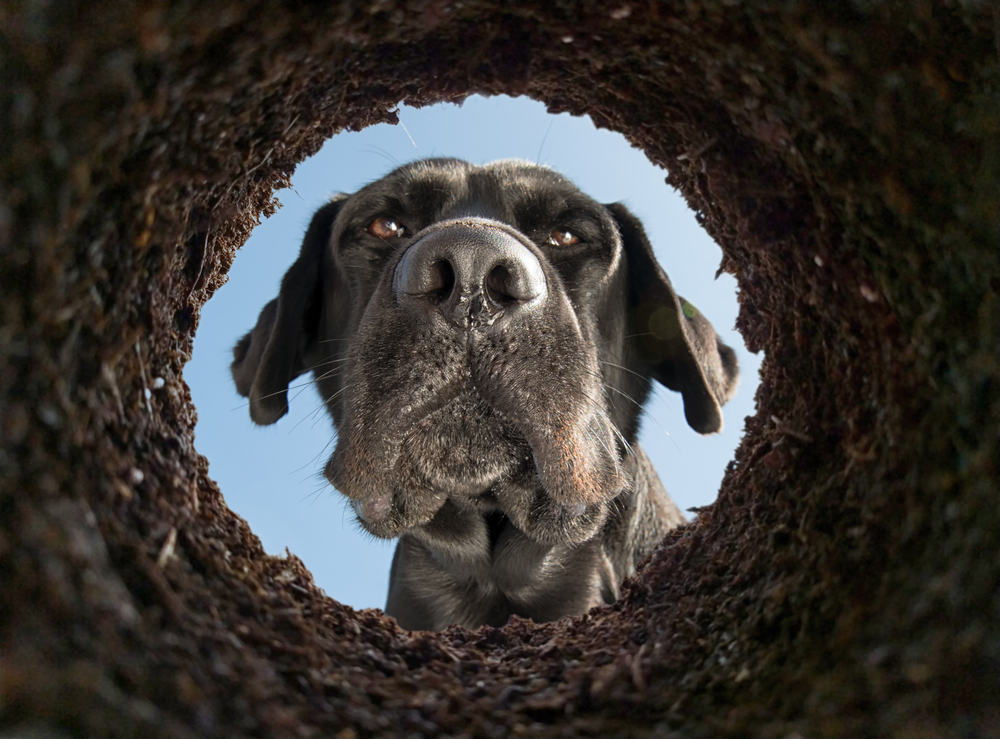
Why do dogs bury their treats? If you have ever watched your dog carry a favourite chew away and hide it under a cushion, beneath a blanket or somewhere in the garden, you have seen a behaviour known as caching. In most cases, dogs bury their treats or hide valuable food because the behaviour is instinctive, completely normal and deeply rooted in canine behaviour.
To us, hiding perfectly good food can look rather pointless. To a dog, however, it may make complete behavioural sense. Modern dogs live very different lives from their wild ancestors, but many old behavioural tendencies remain. The practical issue is usually less about the act of hiding and more about what your dog is hiding, how often it happens and whether the behaviour has changed suddenly.
Learn more
Understand dog behaviour
Explore practical guides on feeding, health and everyday canine behaviour.
Changing food?
Know what to watch
Monitor appetite, stools, energy, comfort and other useful signs.
Fresh feeding
Explore our meals
Browse Nika Pet Food’s freshly cooked dog food range.
Why do dogs hide treats around the house?
Caching does not require actual digging. Domestic dogs are remarkably creative when adapting old behaviour to a modern home. Beds, blankets, sofas, laundry baskets and quiet corners can all become substitute hiding places.
Saving something valuable
A dog may already feel satisfied, but still regard a chew or biscuit as worth keeping. Moving it somewhere safe allows the dog to save it for later rather than simply abandoning it.
Finding somewhere quiet
In a busy household, particularly one with several animals, a dog may carry food somewhere quieter and less likely to be disturbed while eating or resting.
Using indoor “soil”
Blankets, beds, laundry baskets and sofa cushions can all become substitutes for earth or leaves. Some dogs even use their noses to make covering movements after hiding something.
Keeping something for later
The dog does not need to consciously plan for tomorrow. Caching can simply be an instinctive response to having something valuable that is not immediately needed.
Is caching normal?
In most cases, yes. Occasional hiding is part of the normal behavioural range for many dogs, especially when they receive long-lasting chews, treats or enrichment items. Some dogs also move food to their favourite resting place and only eat it when they feel fully settled.
Usually nothing to worry about
- occasionally hiding a treat or chew
- moving food to a favourite resting place
- covering something with a blanket
- returning later to the hidden item
- performing the behaviour calmly
Worth watching more closely
- a sudden increase in food hiding
- repeatedly moving food without eating it
- intense guarding of hidden food
- anxious behaviour around people or animals nearby
- changes in appetite, weight or general behaviour
When can hiding food signal a problem?
Usually there is no reason to stop occasional, harmless caching. Carrying, sniffing, searching, digging and hiding are all behaviours that can form part of a dog’s normal repertoire. The more important question is whether the behaviour is new, excessive or accompanied by other changes.
Behaviour change
Sudden change in routine behaviour
If your dog has never hidden food before and suddenly starts doing it frequently, it is worth looking at the wider context. Stress, changes in the household or discomfort can all affect feeding behaviour.
Food concerns
Repeated hiding instead of eating
If the dog keeps taking food away but rarely comes back to finish it, the issue may not be caching alone. Appetite changes, dental pain, nausea or problems with the food itself deserve closer attention.
Social tension
Guarding or competition around food
In multi-dog households, hiding may reflect concern about losing access to food. A dog may try to eat in secret, stash the item or guard it more intensely if other animals are nearby.
What can you do if your dog hides treats?
Make things easier
Offer treats in a calm place
A quieter environment can reduce the need to move food elsewhere. This is especially useful in busy households or where other pets are present.
Think beyond the treat
Look at appetite and wellbeing
If hiding is frequent, consider your dog’s appetite, stools, energy, dental comfort and general behaviour. Food-related behaviour is often clearer when you look at the whole picture.
Use normal outlets
Provide enrichment and scent work
Sniffing games, food puzzles, foraging opportunities and exploratory walks can give your dog useful outlets for normal canine behaviour without trying to suppress it altogether. You can also read the RSPCA guide to dog behaviour for further general guidance on understanding canine behaviour.
Practical note: If your dog is hiding food and also seems reluctant to eat, is losing weight, shows pain when chewing, vomits, has diarrhoea or seems generally unwell, speak to your vet. Behaviour and health often overlap.
Related reading
Fresh Dog Food vs Kibble
Compare freshly cooked food with dry food and understand the practical differences.
How to Monitor Your Dog on a New Food
Learn what to observe in appetite, stools, body weight, skin, coat and energy.
Fresh Dog Food for Sensitive Stomachs
Understand common signs of digestive sensitivity and how a simple feeding plan can help.
Need personalised advice?
If your dog’s eating behaviour has changed, or you want help assessing food choices in a calmer, more structured way, personalised guidance may help.
Newsletter
Like our articles? Wanna more? Please subscribe newsletter
